Telling tales of the horror of artistry while putting us through literal horror scenarios is certainly a unique take on the subject and genre. Project Songbird tackles themes of love, hate, loss, and personal struggles, and comes across as both an experience intended for players and a bit of self-therapy for developer Connor Rush, with plenty of fourth wall breaking along the way as he checks in with players intermittently.
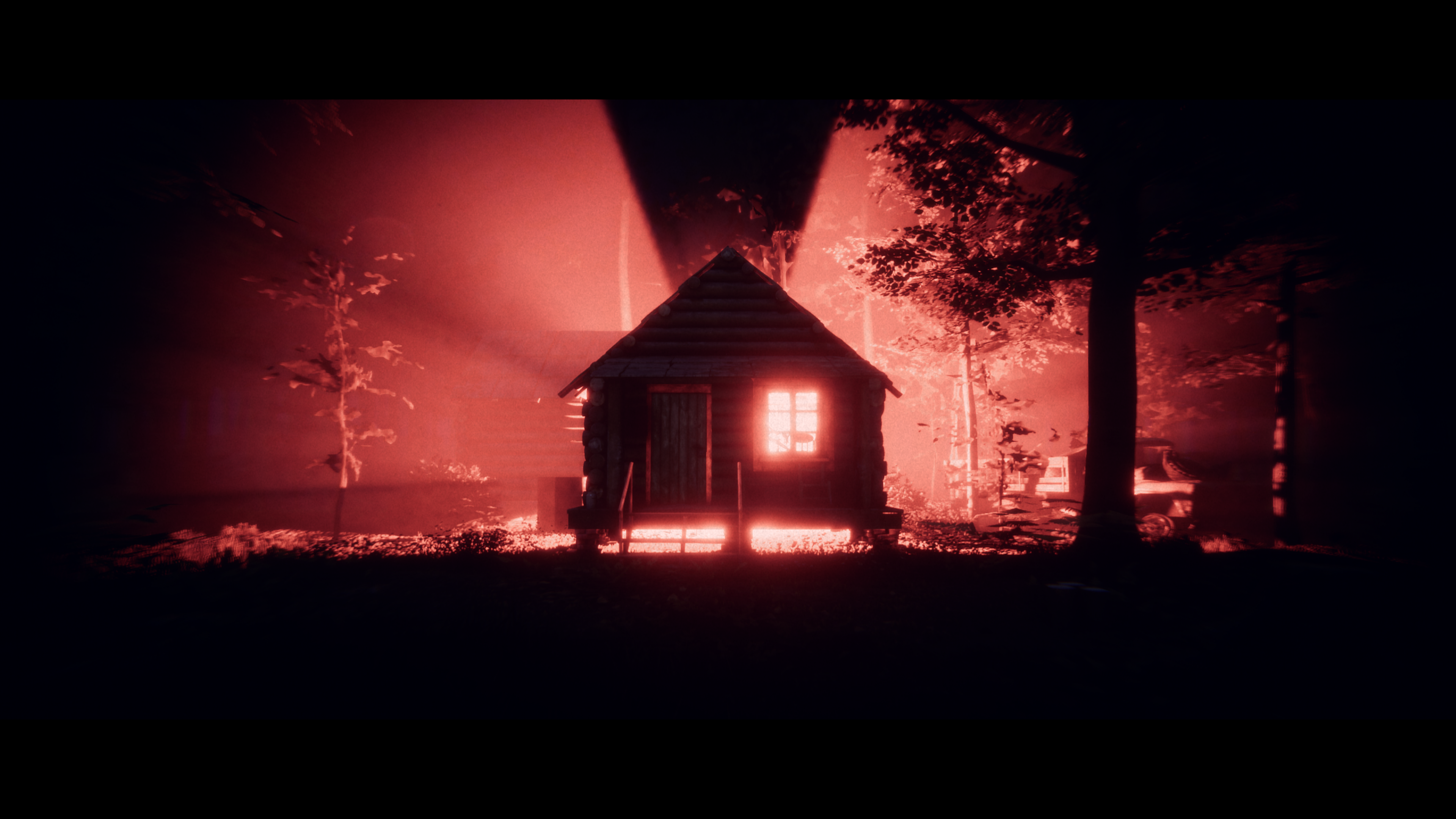
We play as Dakota, a musician struggling to find her groover and produce music that her fans want to hear. At the behest of her producer and record label, she agrees to try isolating herself like some of the greats in order to find her inner muse again. Heading to a cabin in the woods, she searches for inspiration in the surroundings, initially struggling to do so. However, one night a glowing orb appears, beckoning her to follow, and from here we delve deep into personal torment, struggles, and literal monsters to try and survive this new and hellish landscape.
General gameplay is almost walking sim like, where we explore a small area and solve simple puzzles. When we’re in the other place, it becomes more traditional horror, with lots of sneaking around monsters and trying to solve slightly more complex puzzles in the process.
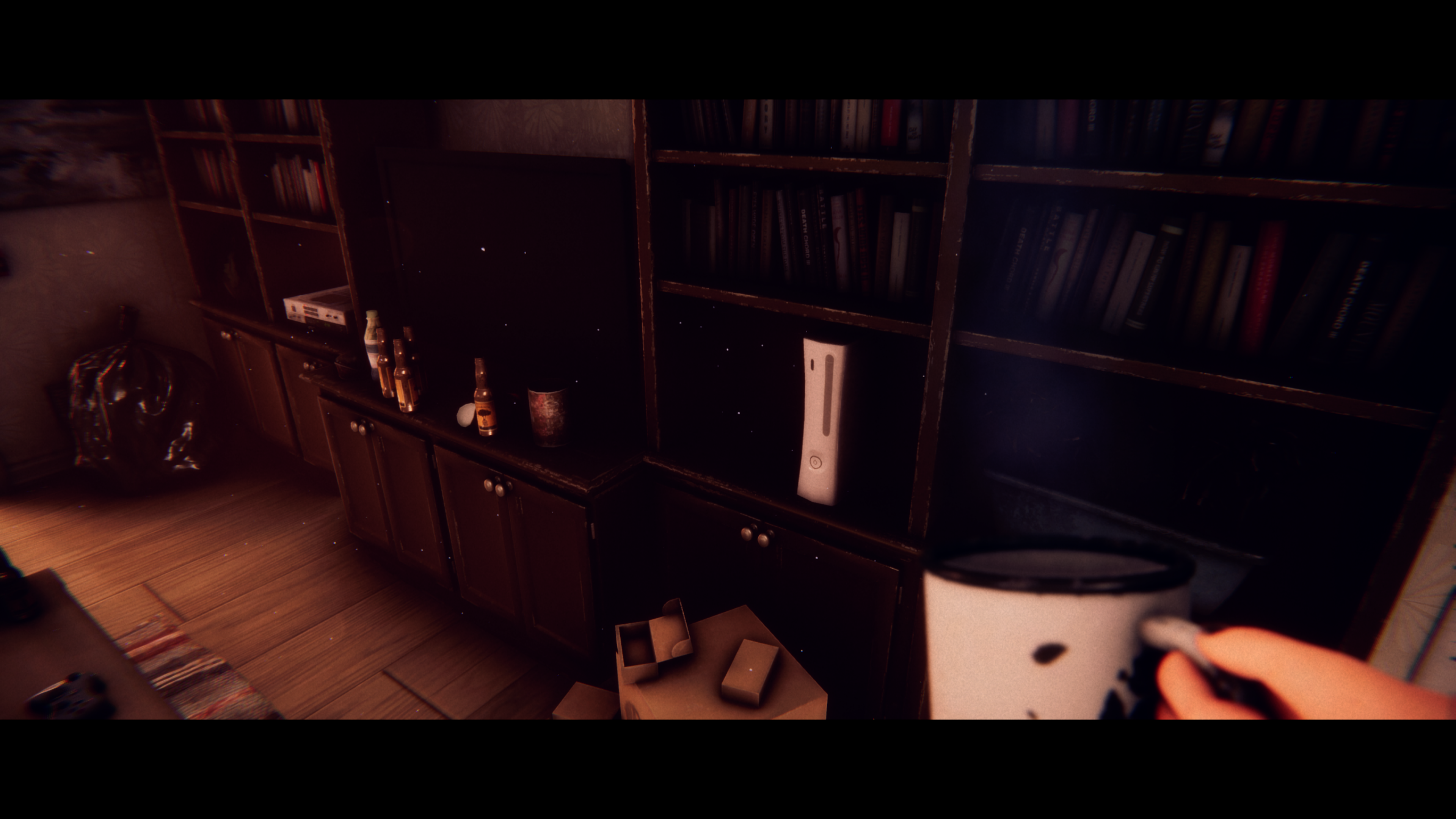
While there may be some comparisons to titles such as Outlast in its atmosphere, Dakota comes equipped with a few ways to fight back, be it an axe, pistol or hunting rifle. These are last resorts but prove useful at key moments. Elsewhere, we can use her audio recorder to track the noises made from the monster through walls, or lob glass bottles to distract them so we can pass.
Project Songbird gets the sense of atmosphere pretty spot on throughout. The ambient forest is oddly calming, but the areas where we’re under threat had me on edge constantly. Audio work is superb, with lots of whispers and creaks and groans even without the monsters angrily grumbling away as they stalk the corridors. One enemy introduced in the second act had the hairs on the back of my neck go up every time I had to deal with it; it only moves when we’re not looking, and the accompanying audio effects that go with it are excellently terrifying. Trying to solve a musical based puzzle on the piano while we can hear that thing getting closer – and quickly – caused a few literal yelps from yours truly.
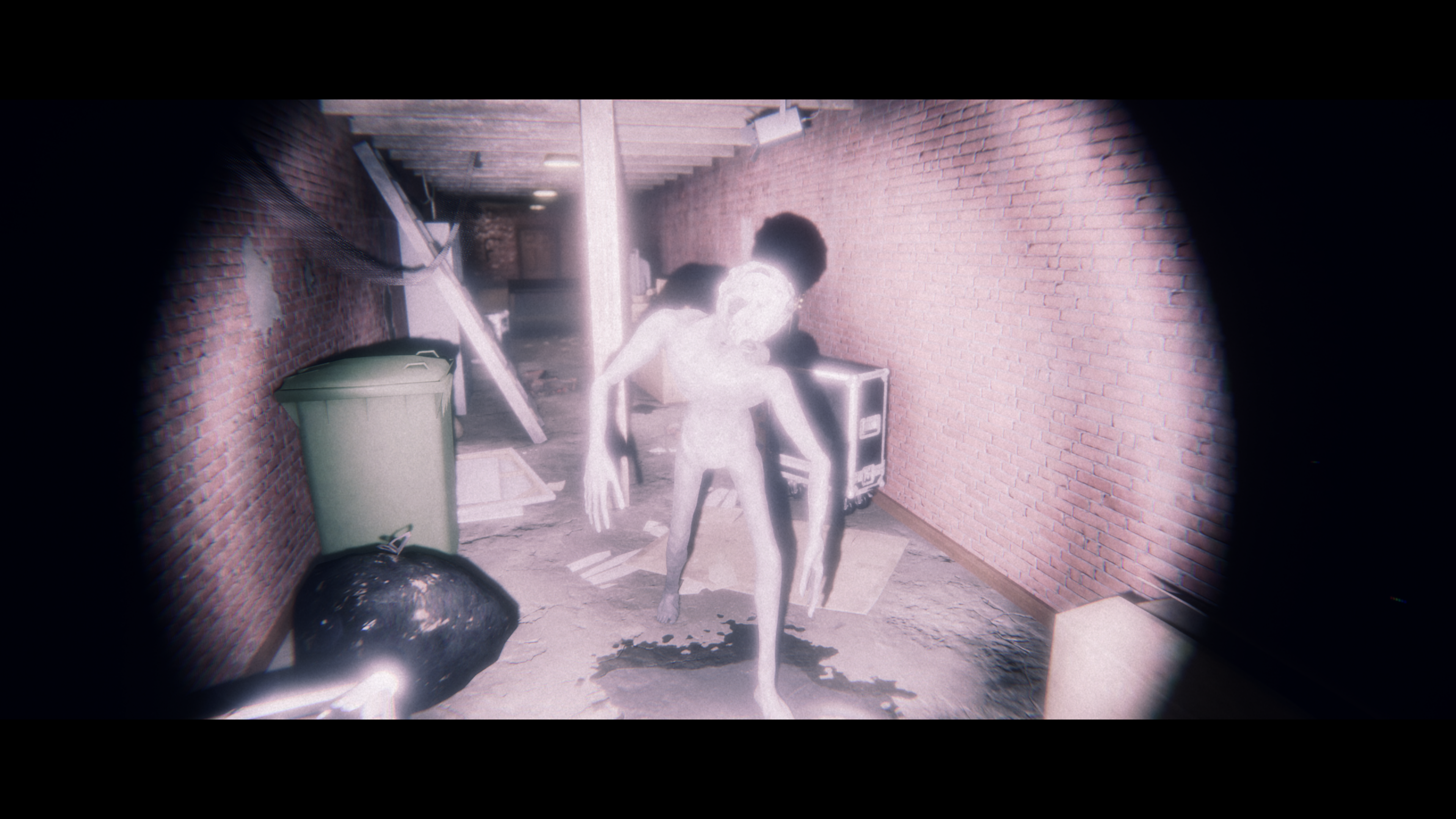
As a horror game, Project Songbird is pretty effective. It’s tense without being overly gory, and frightening even after we come face to face with the monsters. The usual suspects appear in terms of set pieces, with sudden alarms attracting enemies or cranks that need turning while an enemy is facing the other way, but it is a well put together, scary experience.
It’s a short game too, coming in at about 5 hours and only really feeling like it starts to outstay its welcome towards the very end when things go a bit meta. Obviously I won’t spoil it – and I understand why it went the way it did – but I feel the finale could have been trimmed a little and not lost much of the impact.
This might be partly because, although I get the sentiment, I didn’t find myself super engaged with the story being told. Again, it feels like a very personal journey and one that is as much for players as it is for Rush, but the parts in between the horror sections left me a bit flat to be honest. I can’t knock the performances from the cast, but I just didn’t find myself eager to see what was next all that much.
Conclusion
Despite this, I’ve enjoyed my time with Project Songbird all the same. While it didn’t grip me fully, I did enjoy aspects of the tale, and I really dug the horror sections thanks to great use of audio and visuals to make a genuinely unsettling experience.
This game was reviewed based on Xbox S|X review code, using an Xbox S|X console. All of the opinions and insights here are subject to that version. Game provided by publisher.