Every now and then we get approached out of the blue by devs to let us know about an upcoming indie game we’d not seen on the radar. So far, it’s been a pretty solid track record and Godbey Games’ Discolored is no exception. It is a short experience, but one that had me hooked from start to finish with inventive puzzle designs and an eye catching aesthetic that plays into the puzzles wonderfully.
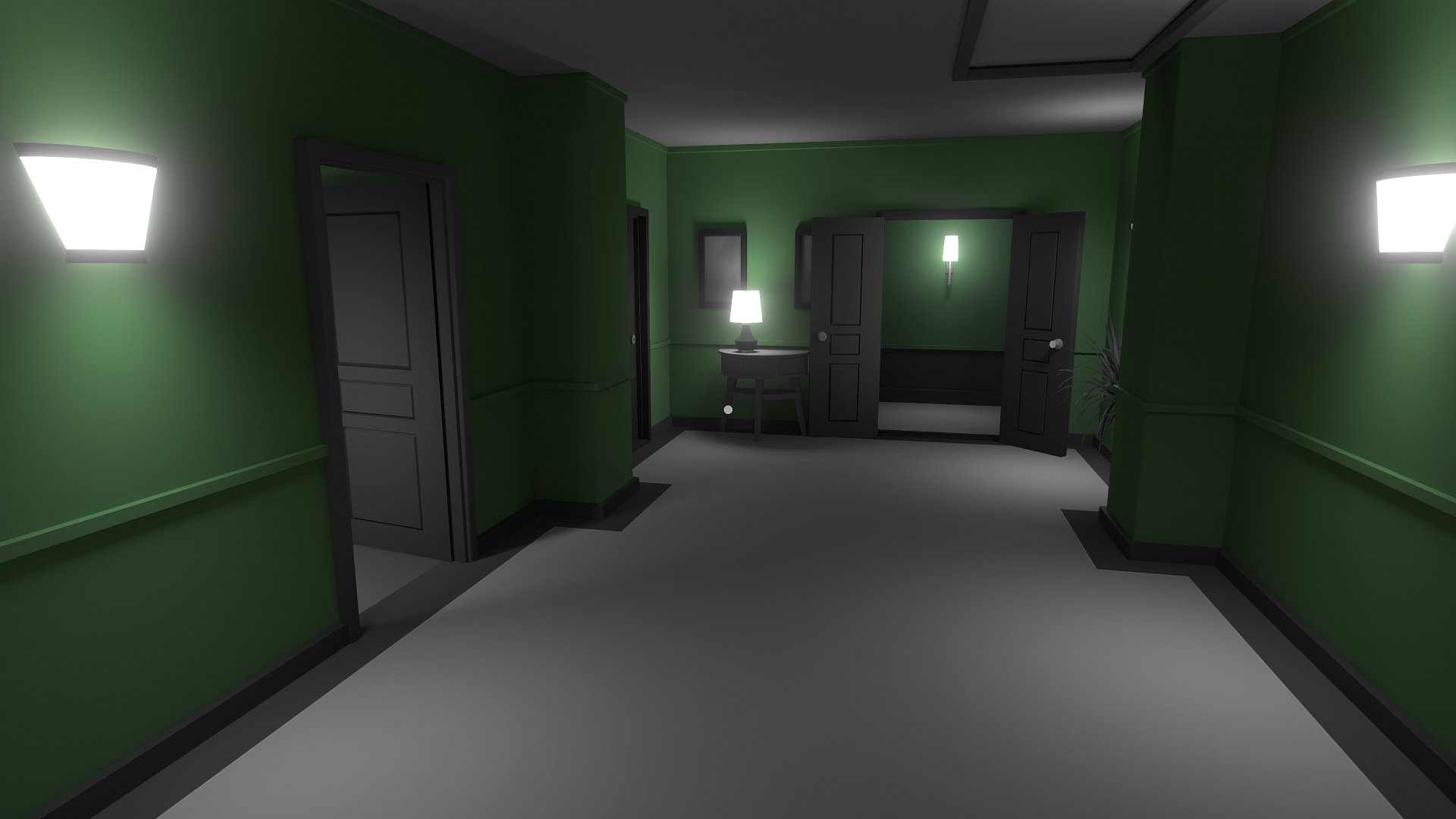
The premise is simple: a diner has been drained of colour, and it falls to us to solve puzzles and bring the colour back to the world. Until then, everything is presented in greyscale, with only hints at the brightness of the finished picture.
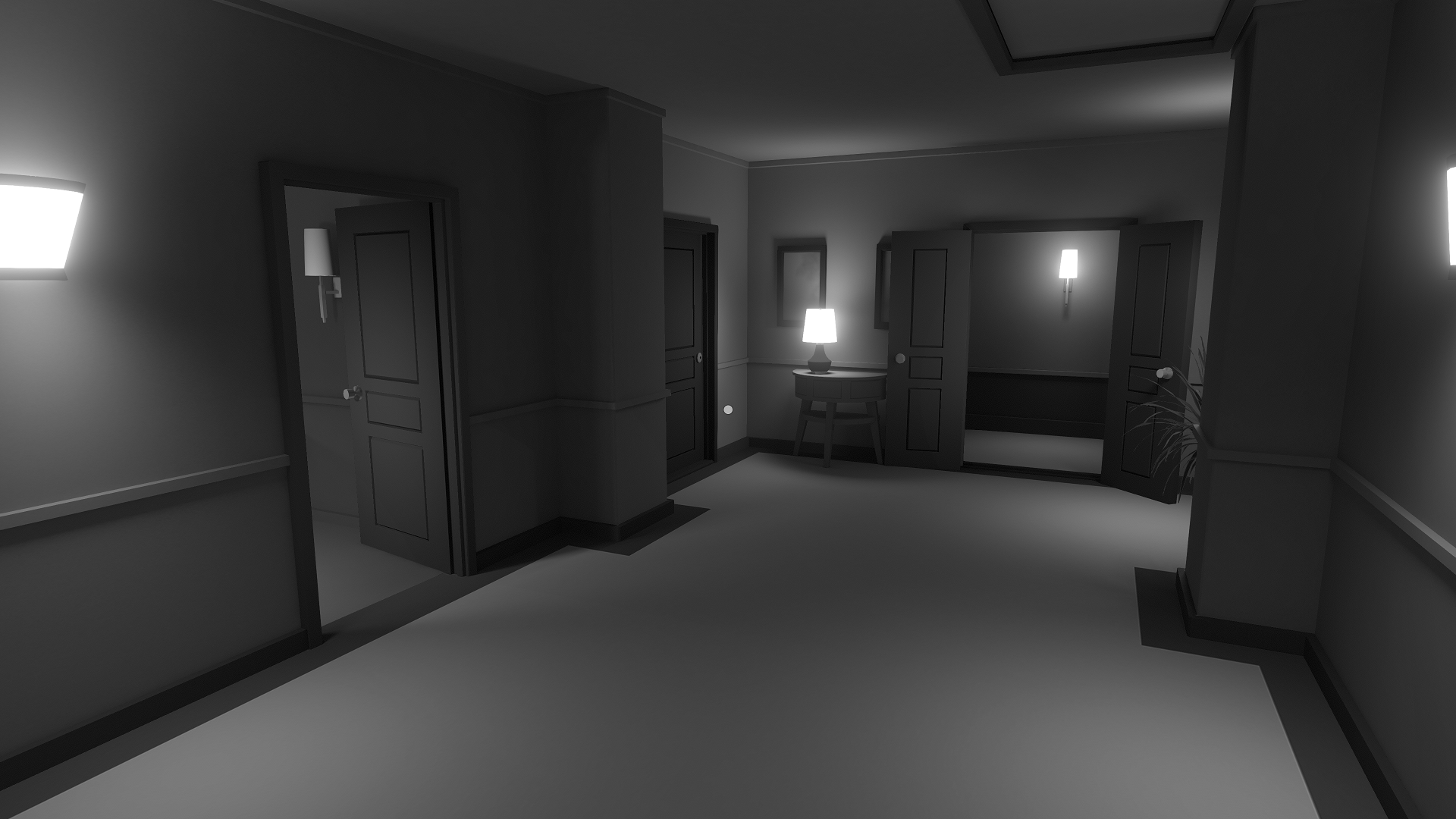

Puzzles are a case of following the next clue to gain the next item to proceed, though the actual details of what we can do are left ambiguous by design. We might pick up a hook for example, but it’s up to us to figure out where and how to use it. There’s only one answer of course, but the game steers clear of hand holding as much as the player wants. A hint system in the menu offers ups clues when we get stuck but again steers clear of flat out telling us the solution. There was one section that I got particularly stuck on, and I had hoped that there may be gradually more helpful hints the more I pressed the hint option, but it is just the one per each section. To be fair though, the few times I used it this was more than adequate.
As we pick up items they get added to our inventory. Going into this we’re able to combine items, or grab them out to use in the world. The presentation of this is a little confusing at first as there are some items only usable in the inventory, and others only in the world but it’s a little unclear which is which.
It all comes back to those colours in the end: across the 1-2 hour playtime we’re given red, blue, and green prisms that can be placed at specific points to bring that colour back to the diner. Not only does it liven up the place, but they also reveal previously hidden items that can be used for the puzzles. The green, for example, reveals a secondary rope in the well outside, while the other colours add various other elements in our march for progress. Occasionally we’ll need to drain the colour again for certain puzzles which means back tracking around the diner, though the speed of movement and the relative smallness of the area means this is never a chore.
In fact, it all comes to an end a little too soon for our liking. A further location is teased before abruptly rolling the credits, and while there are a couple of achievements that hint at something missed in the game there’s not much incentive to go again. Not that there needs to be, but I felt that the puzzle mechanics were just getting going in terms of what is possible. Here’s hoping for more from Godbey Games in the near future!
Conclusion
Discolored is exactly what we like to see from indie games: inventive puzzle mechanics, lovely audio/visual presentation and a run time that doesn’t overstay its welcome. If anything Godbey Games could have gotten away with another hour or so, but what’s here is perfectly enjoyable puzzling that is well worth an evening’s entertainment.